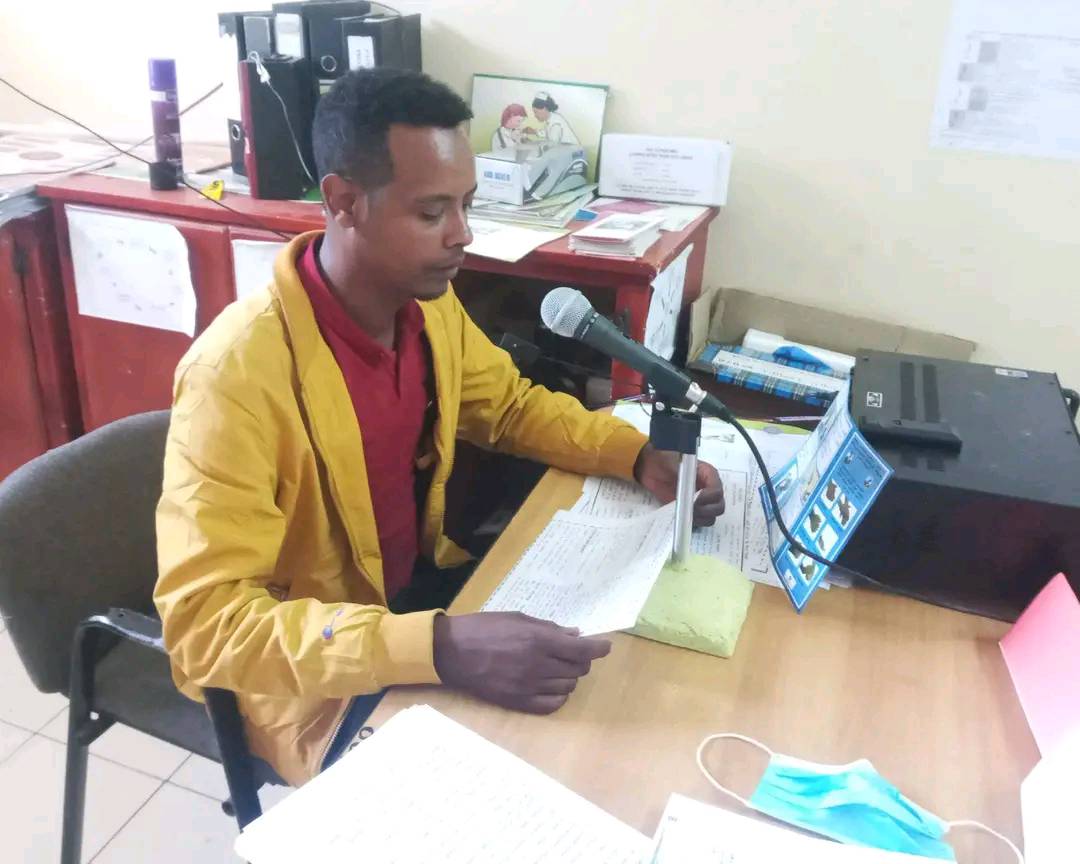
About Health Education

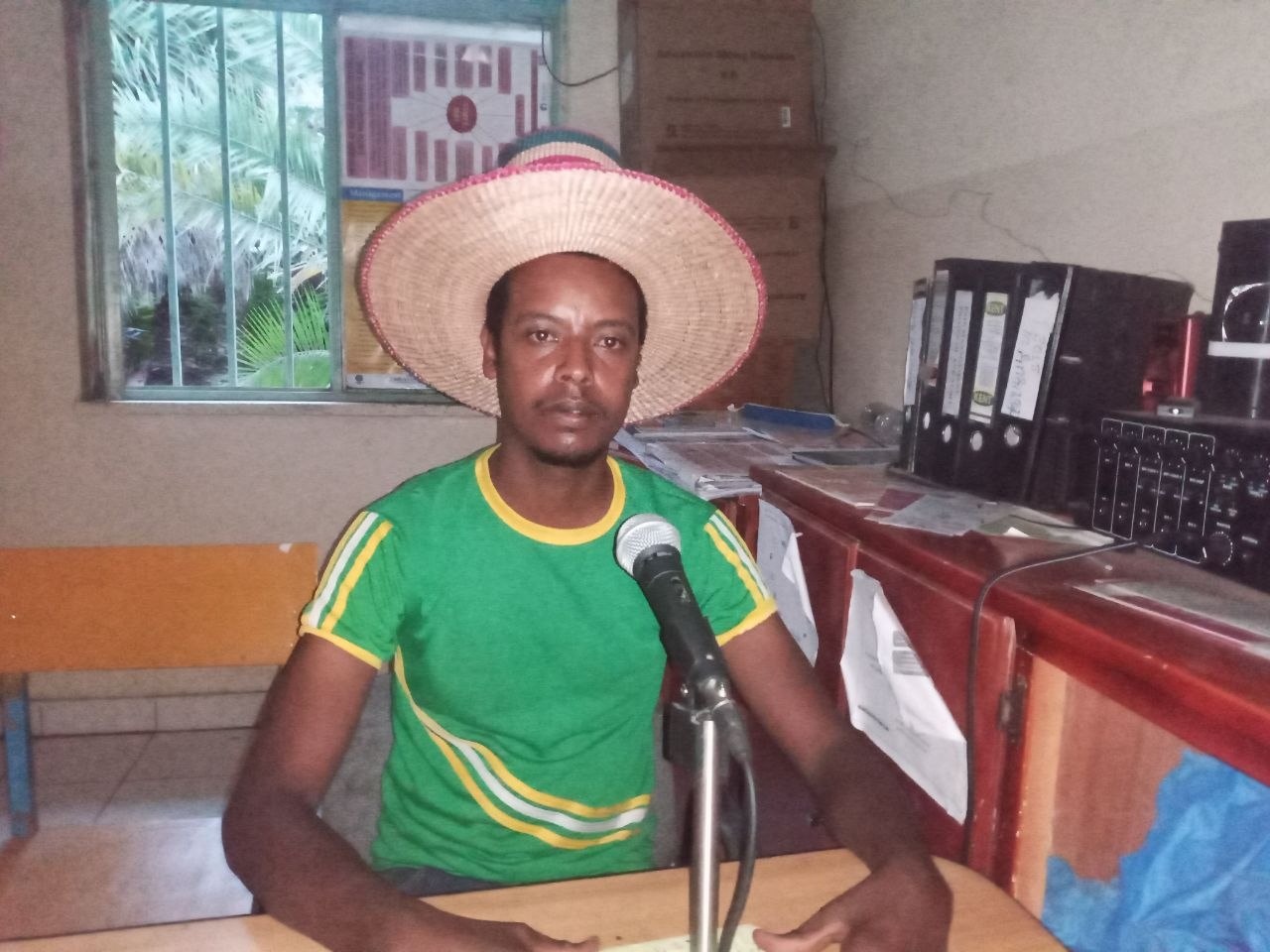
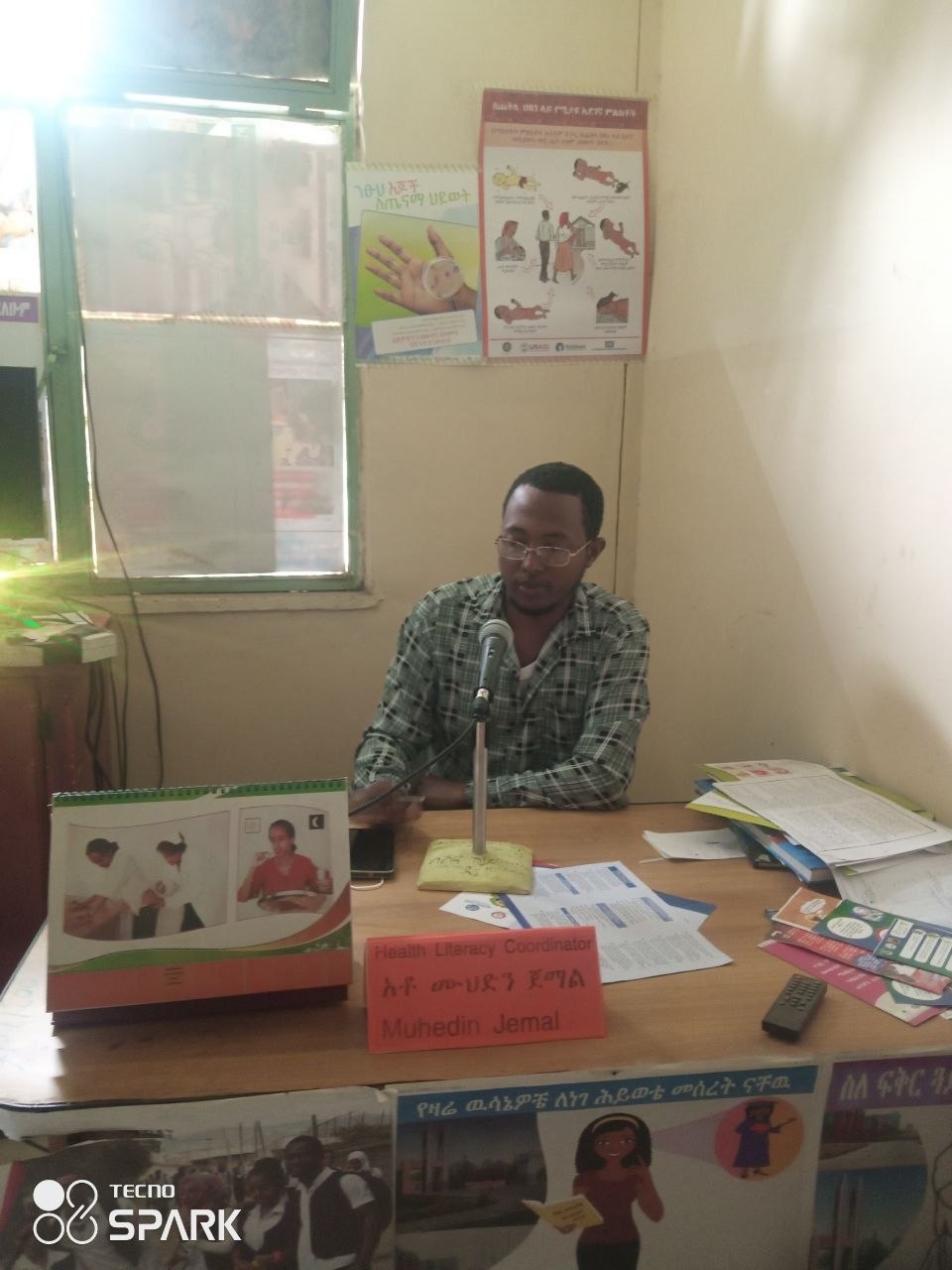
HLU Focal

Mr. Muhdin Jemal

Health Education Coordinaator

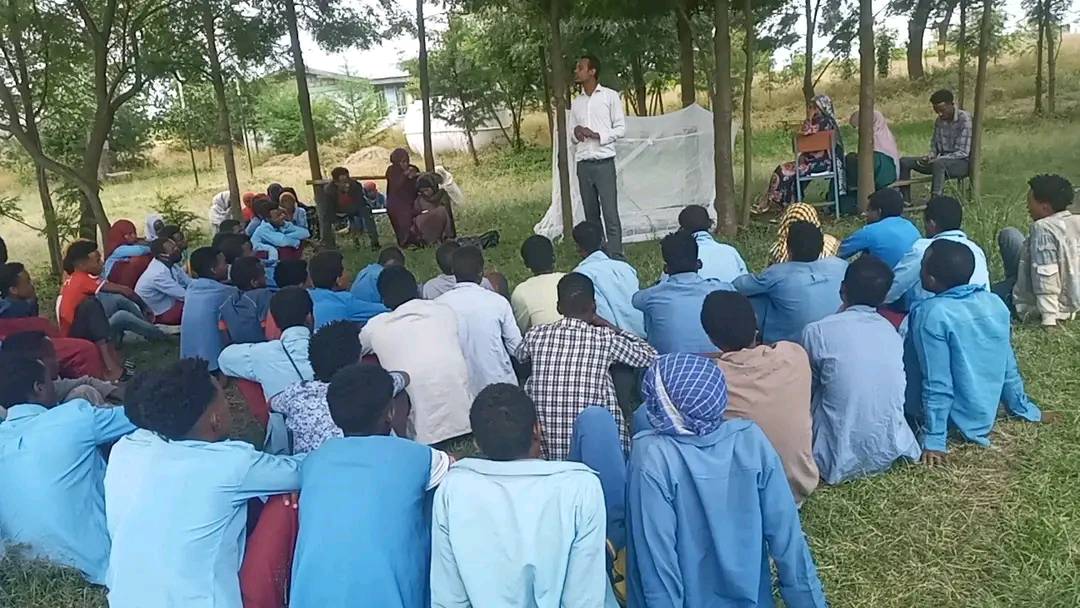
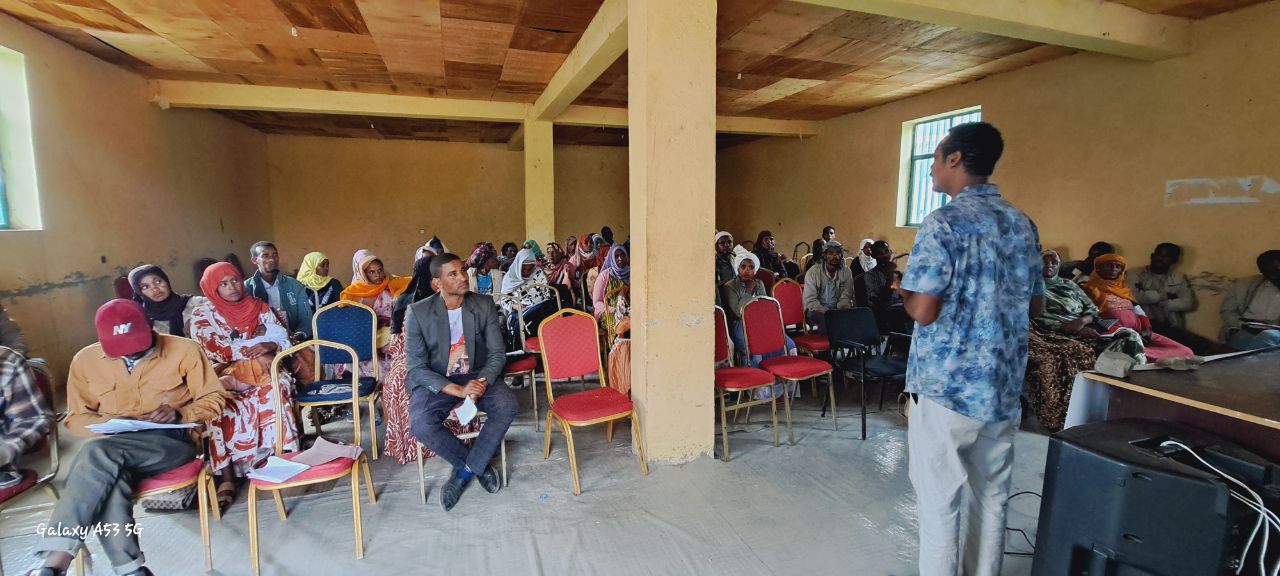
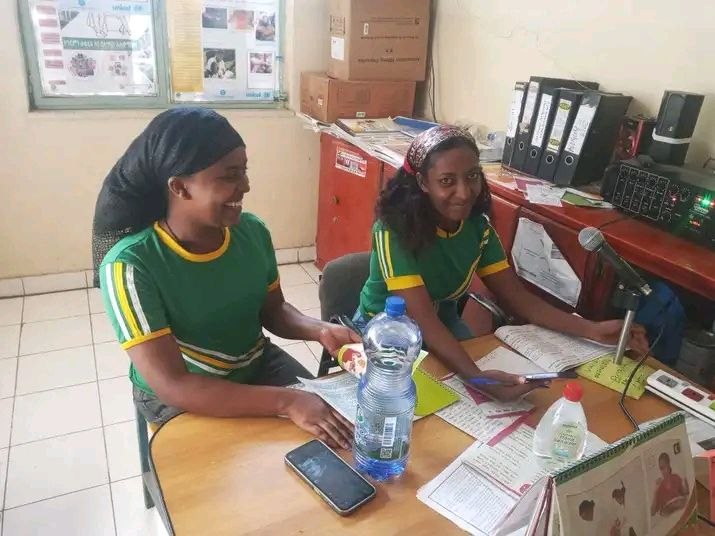
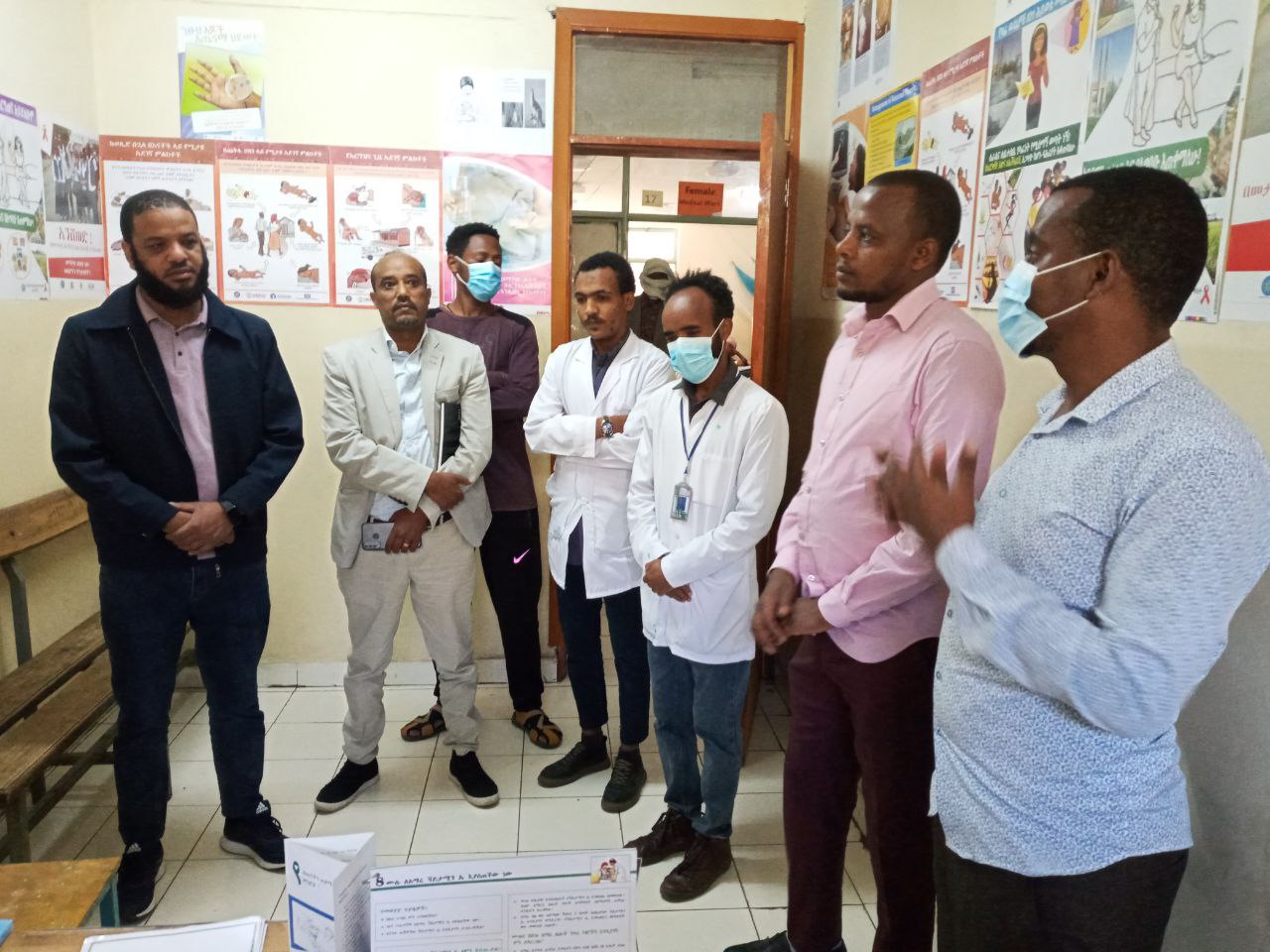
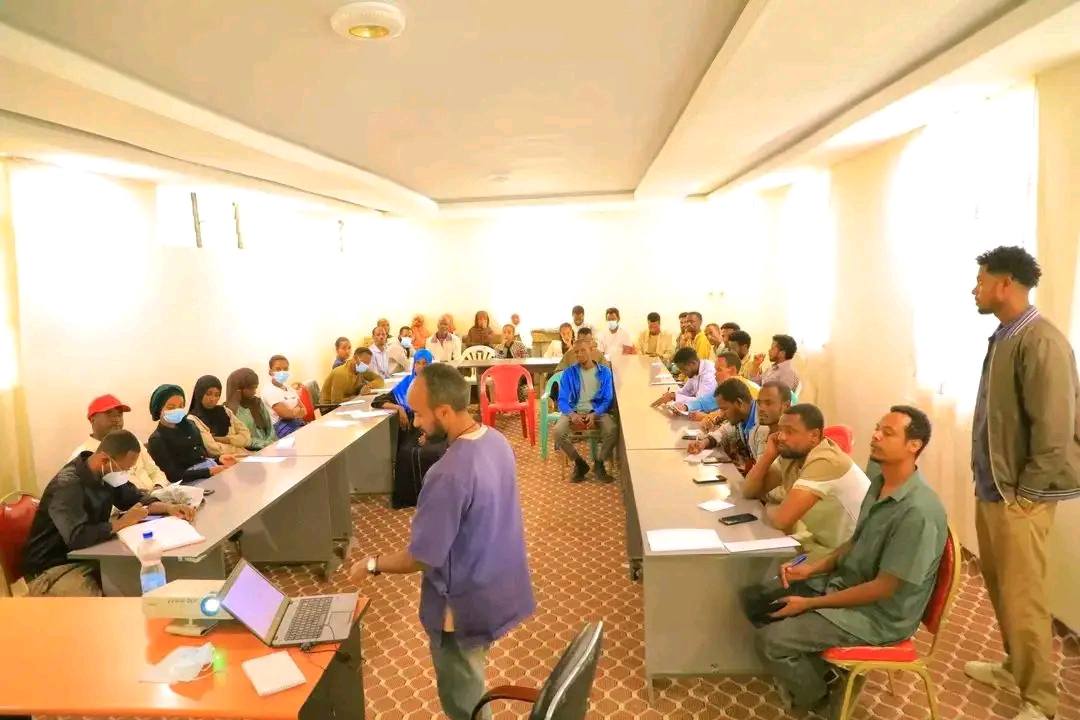
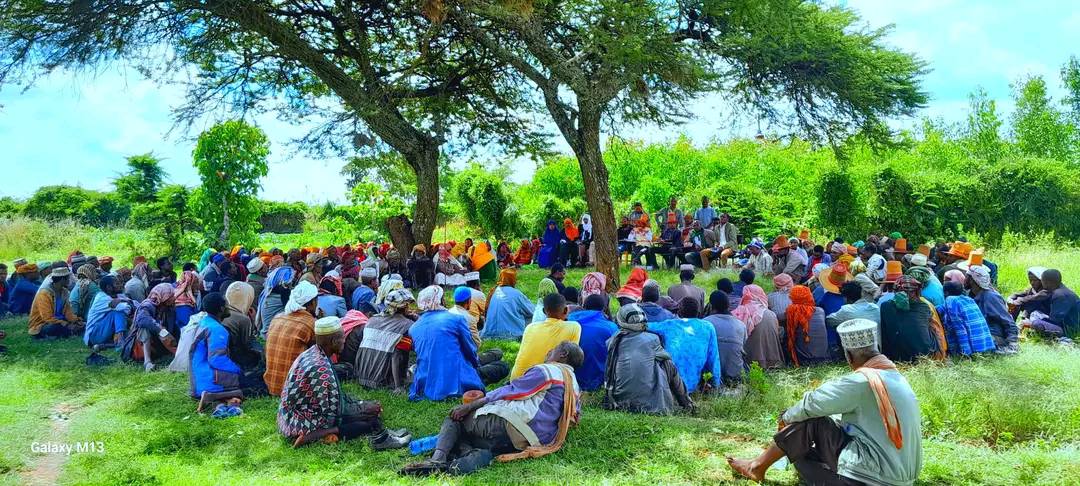
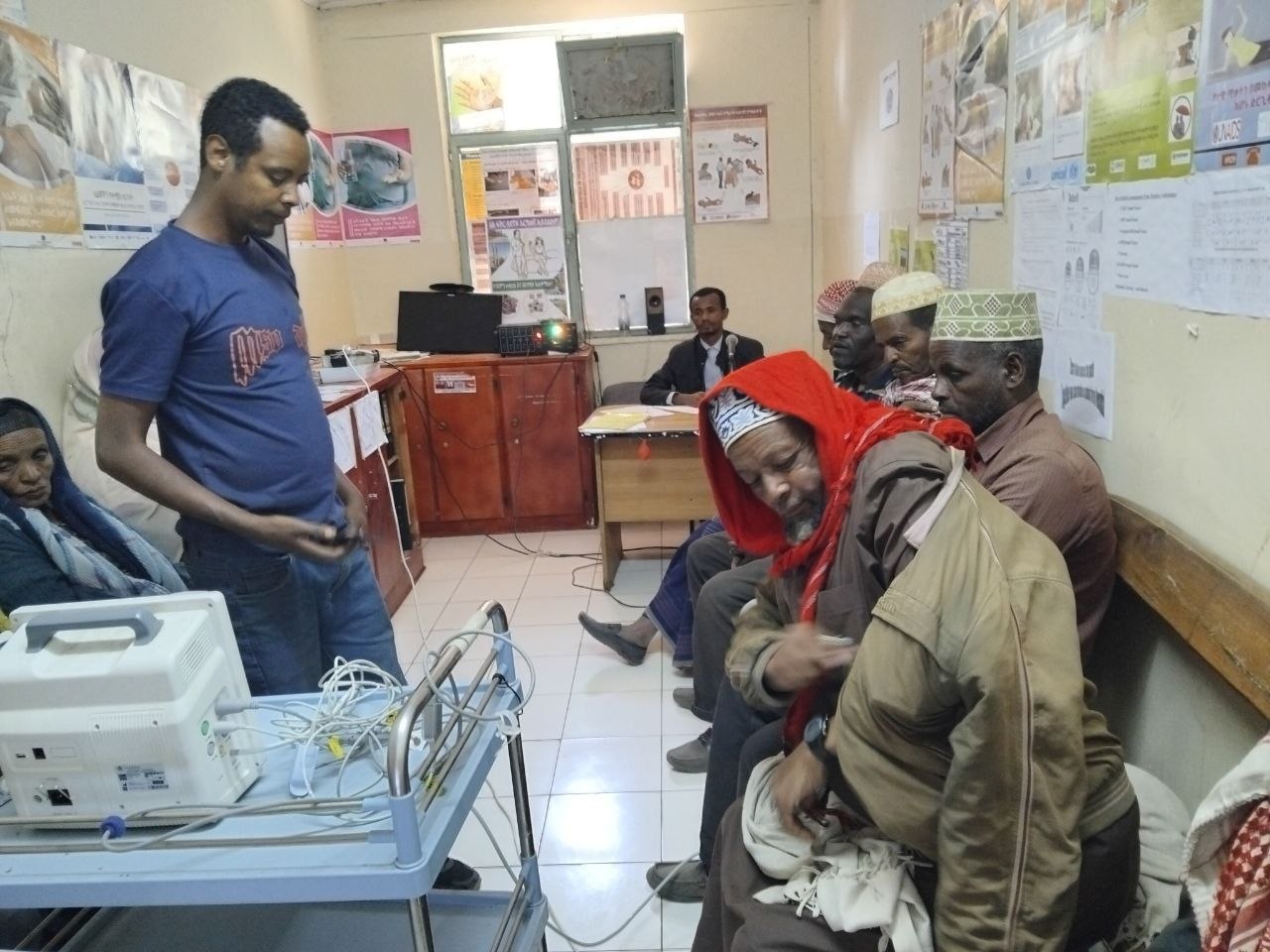
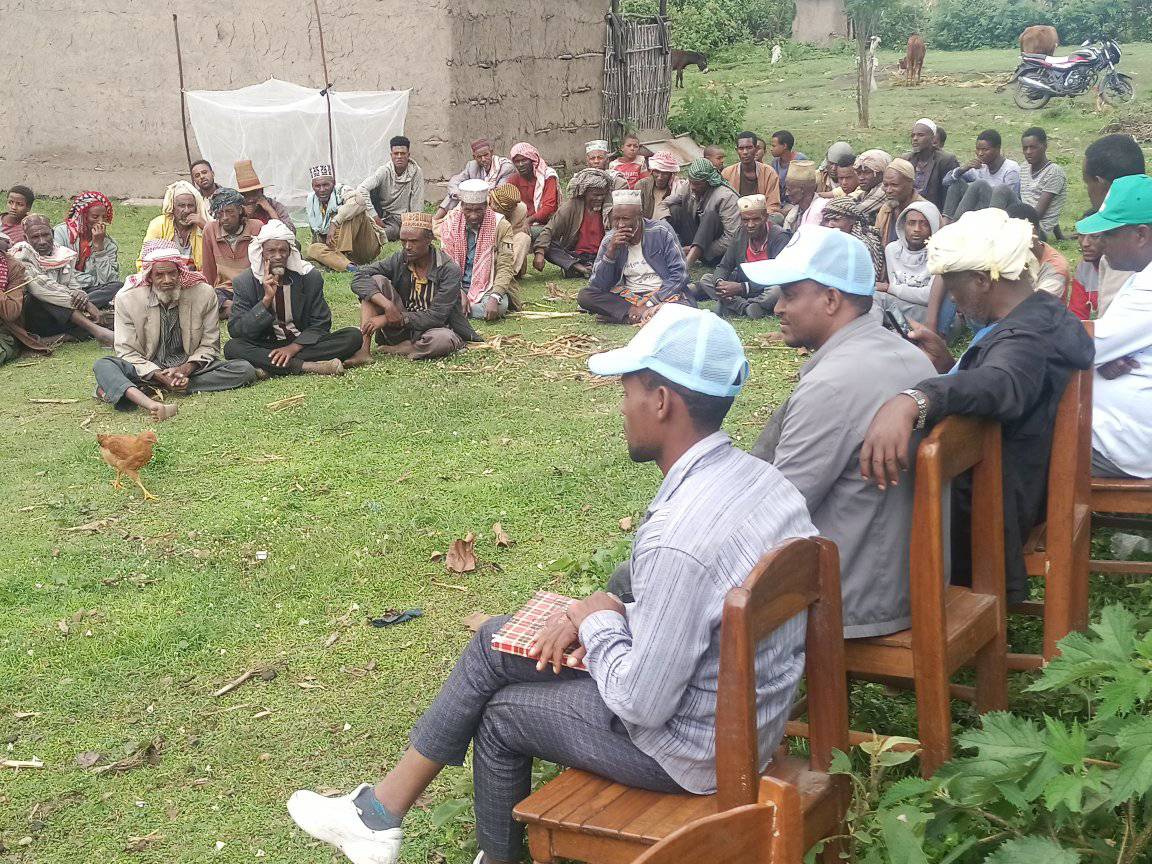
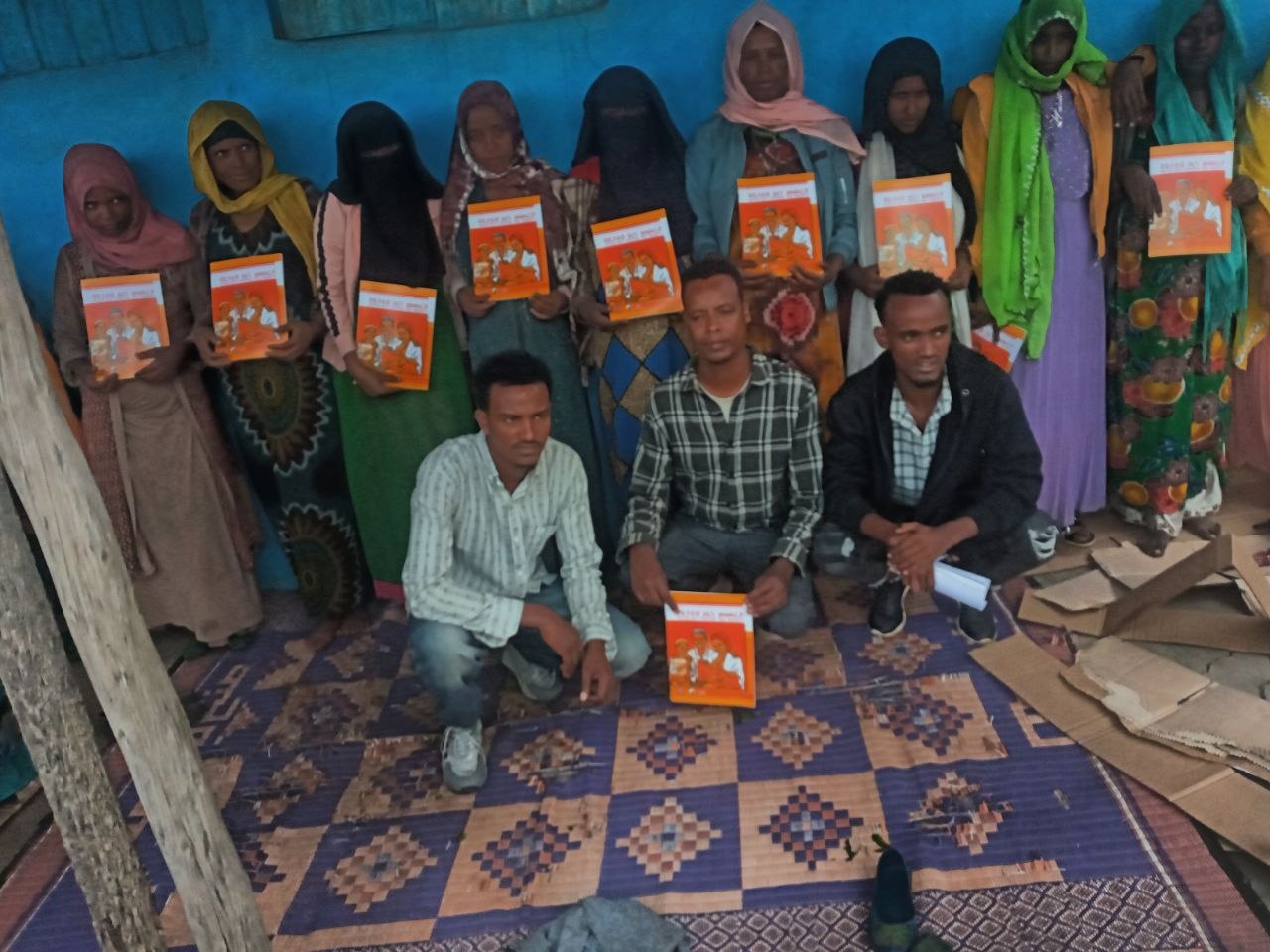
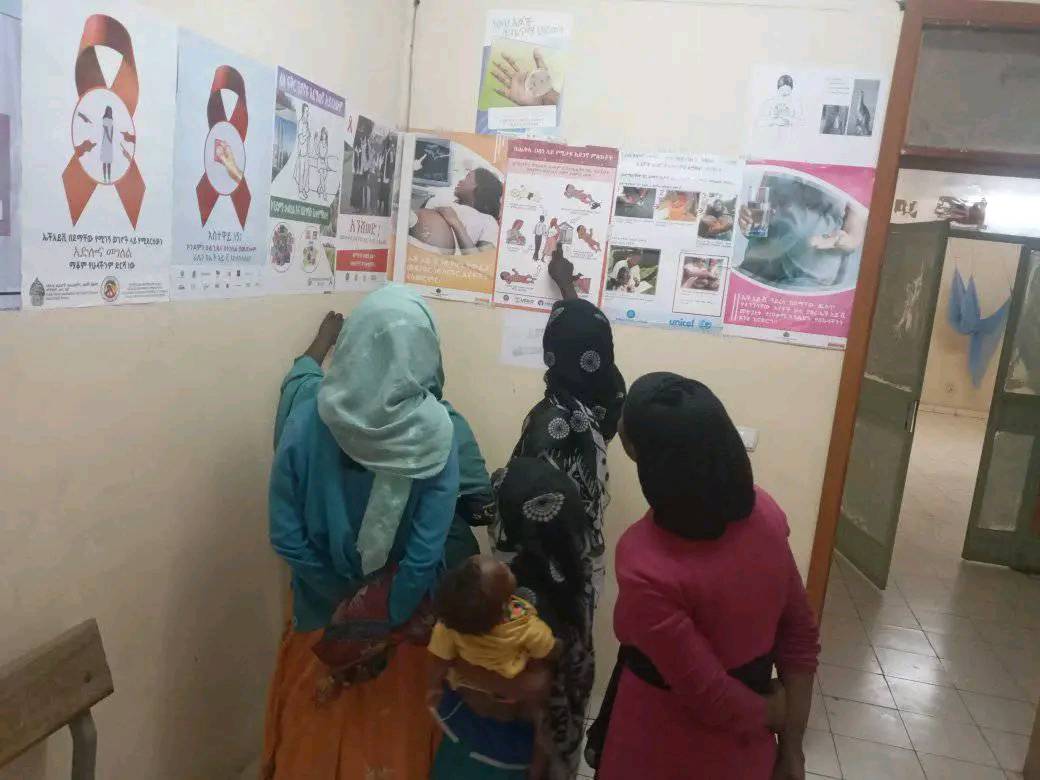
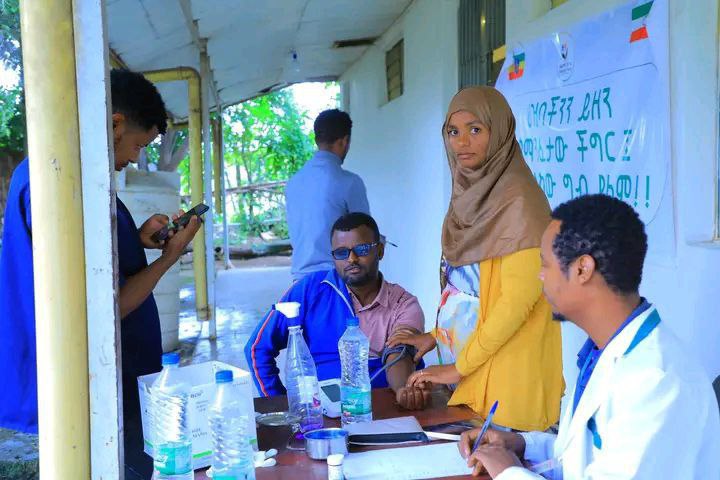
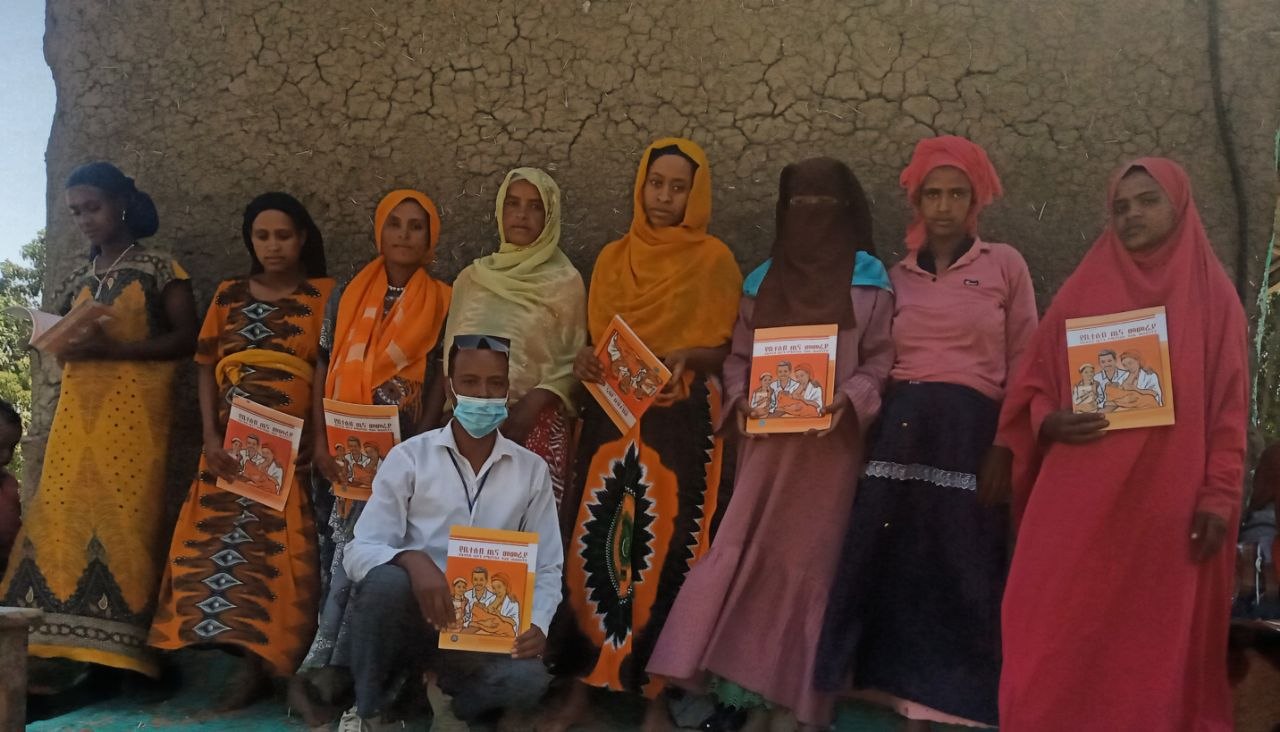
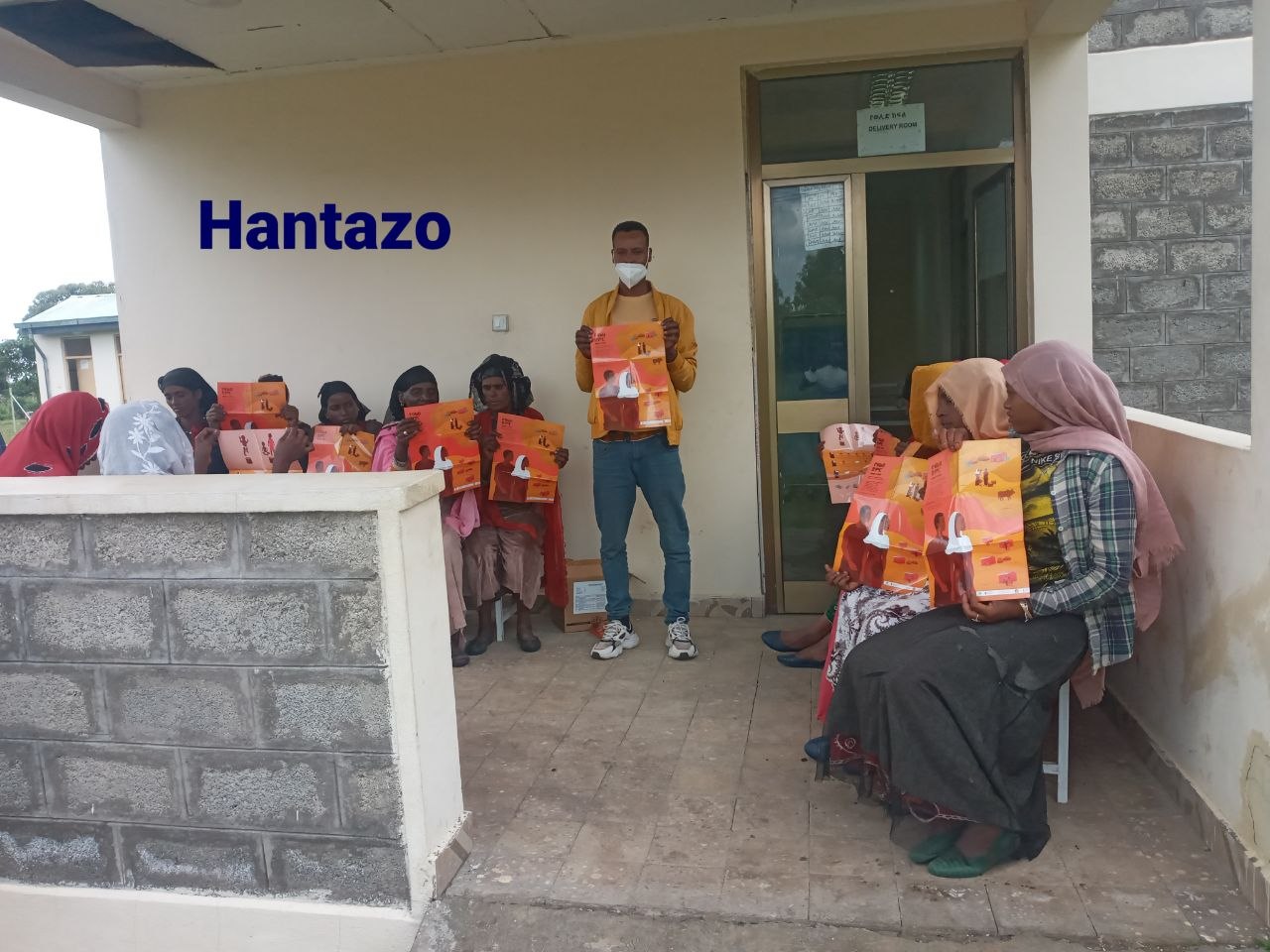
At our hospital, we believe that health education is the foundation of a healthier community. Beyond providing clinical care, we are committed to empowering individuals and families with the knowledge and skills needed to prevent disease and promote well-being.

This Health Education platform is designed to deliver simple, practical, and reliable information that supports healthy lifestyles, early health-seeking behavior, and informed decision-making. By strengthening awareness on hygiene, nutrition, disease prevention, and maternal and child health, we aim to reduce preventable illnesses and improve overall quality of life.

We encourage our community to actively engage with these resources and take shared responsibility for their health. Together, through knowledge and collaboration, we can build a healthier and more resilient society.
Health Education

Simple tips to help you stay healthy and prevent disease.

🤰 Antenatal Care (ANC)

  • Start ANC visits as early as pregnancy is confirmed
  • Attend all scheduled ANC follow-up visits
  • Take iron and folic acid supplements as prescribed
  • Receive recommended vaccinations during pregnancy
  • Monitor blood pressure and maternal health regularly
  • Eat a balanced and nutritious diet
  • Seek care immediately if danger signs appear

⚠️ Danger Signs in Pregnancy

  • Severe headache or blurred vision
  • Vaginal bleeding
  • Severe abdominal pain
  • Swelling of face or hands
  • Reduced fetal movement
  • Visit the nearest health facility immediately if any sign occurs

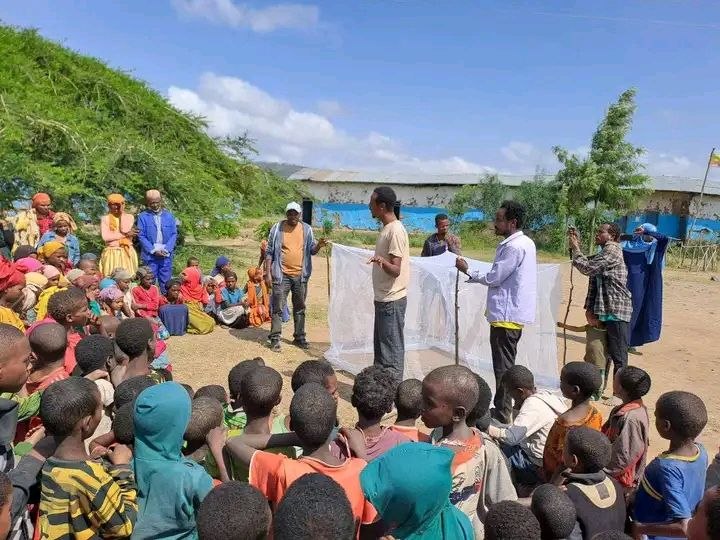
🦟 Malaria Prevention

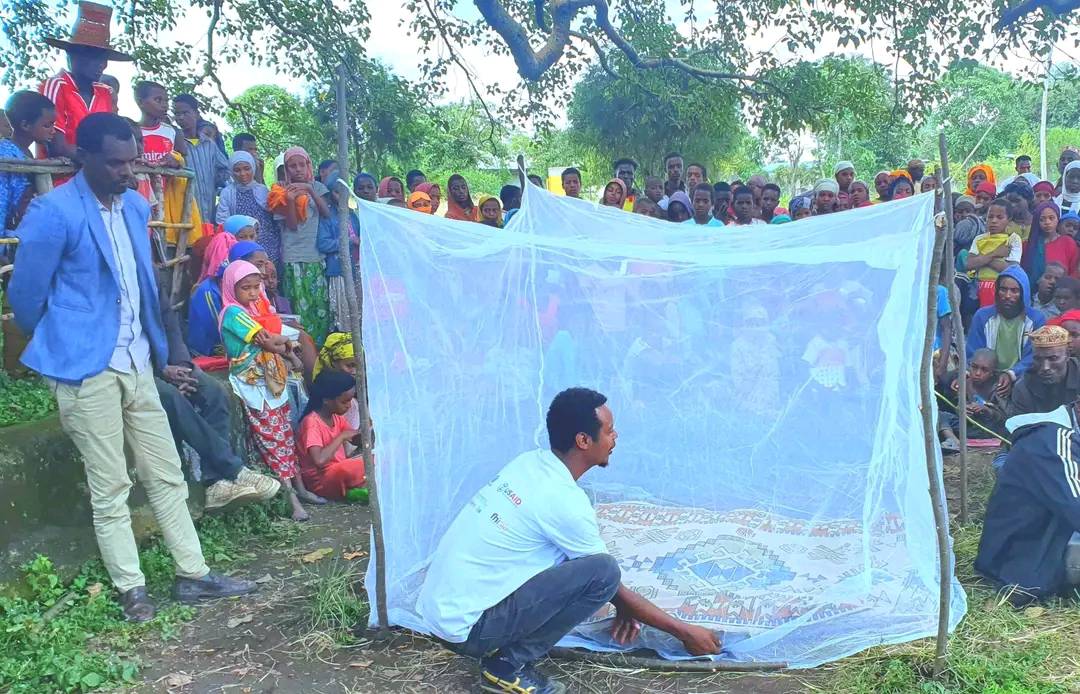
  • Sleep under insecticide-treated mosquito nets (ITNs) every night
  • Remove stagnant water around your home
  • Keep your surroundings clean and dry
  • Use indoor residual spraying (IRS) when available
  • Wear long-sleeved clothes at night
  • Use mosquito repellents if available
  • Close doors and windows early in the evening

⚠️ When to Seek Care

  • Fever
  • Chills
  • Headache
  • Vomiting
  • Sweating
  • Visit the nearest health facility immediately if symptoms appear

😷 Tuberculosis (TB) Prevention

  • Cover your mouth and nose when coughing or sneezing
  • Open windows to ensure good ventilation
  • Avoid close contact with people who have active TB
  • Get tested early if you have symptoms
  • Take all TB medications exactly as prescribed
  • Do not stop treatment early
  • Ensure children receive BCG vaccination

⚠️ When to Seek Care

  • Cough lasting more than 2 weeks
  • Weight loss
  • Night sweats
  • Fever
  • Coughing blood
  • Visit the nearest health facility immediately if symptoms appear

💧 Cholera Prevention

  • Drink only safe and treated water (boiled, chlorinated, or bottled)
  • Wash hands with soap before eating and after using the toilet
  • Eat well-cooked food while it is still hot
  • Wash fruits and vegetables with safe water before consumption
  • Use clean and properly maintained toilets
  • Avoid open defecation and ensure proper sanitation
  • Keep food covered to prevent contamination by flies

⚠️ When to Seek Care

  • Sudden watery diarrhea (rice-water stool)
  • Severe dehydration (thirst, dry mouth, sunken eyes)
  • Vomiting and weakness
  • Leg cramps
  • Rapid heartbeat or dizziness
  • Seek immediate treatment at the nearest health facility

🦠 Marburg Virus Disease Prevention

  • Avoid direct contact with blood, body fluids, or tissues of infected persons
  • Do not handle or touch dead bodies without proper protective equipment
  • Practice regular hand hygiene using soap or alcohol-based sanitizer
  • Avoid contact with wild animals, especially bats and primates
  • Use proper personal protective equipment (PPE) when caring for suspected cases
  • Ensure safe burial practices are followed
  • Isolate suspected cases immediately in a health facility

⚠️ When to Seek Care

  • Sudden high fever
  • Severe headache
  • Muscle pain and weakness
  • Vomiting or diarrhea
  • Unexplained bleeding (nose, gums, or body)
  • Rash or severe fatigue
  • Visit the nearest health facility immediately if symptoms appear

🧬 HIV/AIDS Awareness

  • Practice safe sex by using condoms correctly and consistently
  • Avoid sharing sharp objects such as needles, blades, or razors
  • Limit number of sexual partners and maintain mutual faithfulness
  • Get tested regularly and know your HIV status
  • Prevent mother-to-child transmission through ANC follow-up and treatment
  • Start and adhere to Antiretroviral Therapy (ART) if positive
  • Do not stigmatize or discriminate against people living with HIV
  • Seek counseling and education services for accurate information
  • Talk openly with your health provider for guidance and support

⚠️ When to Seek Care / Testing

  • Unexplained weight loss
  • Frequent infections
  • Persistent fever or fatigue
  • Chronic diarrhea
  • Swollen lymph nodes
  • After potential exposure to HIV
  • Visit the nearest health facility for testing and counseling

🍼 Infant and Child Feeding

  • Start breastfeeding within one hour after birth
  • Exclusive breastfeeding for the first 6 months
  • Continue breastfeeding up to 2 years and beyond
  • Introduce complementary foods at 6 months
  • Provide a balanced and nutritious diet for children
  • Avoid giving water or other foods before 6 months
  • Ensure safe and hygienic food preparation

💉 Immunization

  • Immunization protects children from preventable diseases
  • Vaccines strengthen the body’s immunity against infections
  • Ensure children receive all recommended vaccines on time
  • Follow the national immunization schedule strictly
  • Keep vaccination cards safe and updated
  • Attend all outreach and health facility vaccination services
  • Vaccination is safe, effective, and life-saving

🧼 Handwashing

  • Wash hands with soap and clean water regularly
  • Wash hands before eating and preparing food
  • Wash hands after using the toilet
  • Wash hands after coughing, sneezing, or touching waste
  • Rub hands for at least 20 seconds to remove germs
  • Use alcohol-based sanitizer when soap is not available

💪 Healthy Lifestyle

  • Eat a balanced and nutritious diet
  • Exercise regularly (at least 30 minutes daily)
  • Get enough sleep and rest
  • Avoid smoking and limit alcohol consumption
  • Manage stress through relaxation and positive activities
  • Maintain regular medical check-ups

🩸 Diabetes

  • Maintain a healthy balanced diet with low sugar intake
  • Exercise regularly to control blood sugar levels
  • Maintain a healthy body weight
  • Take prescribed medications as directed by health professionals
  • Monitor blood sugar levels regularly
  • Avoid excessive consumption of sugary drinks and foods
  • Attend regular medical follow-up appointments

⚠️ When to Seek Care

  • Frequent urination and excessive thirst
  • Unexplained weight loss
  • Fatigue and weakness
  • Blurred vision
  • Slow wound healing

❤️ Hypertension

  • Reduce salt intake in daily meals
  • Eat a balanced diet rich in fruits and vegetables
  • Exercise regularly (at least 30 minutes daily)
  • Avoid smoking and limit alcohol consumption
  • Maintain a healthy body weight
  • Take blood pressure medication as prescribed
  • Check blood pressure regularly

⚠️ When to Seek Care

  • Severe headache
  • Dizziness or blurred vision
  • Chest pain
  • Shortness of breath
  • Nosebleeds in severe cases

🎗️ Cervical Cancer Screening

  • Regular screening helps detect cervical cancer early
  • Women aged 25–49 should attend screening services
  • Early detection improves treatment success
  • Screening methods include VIA and Pap smear tests
  • HPV vaccination helps prevent cervical cancer
  • Maintain good reproductive health practices
  • Follow health provider recommendations for follow-up

⚠️ When to Seek Care

  • Abnormal vaginal bleeding
  • Foul-smelling vaginal discharge
  • Pain during intercourse
  • Pelvic pain
  • Irregular menstrual bleeding
  • Visit the nearest health facility immediately if changes are noticed

🎗️ Breast Cancer Screening

  • Regular breast screening helps detect cancer early
  • Women should perform monthly breast self-examination
  • Clinical breast examination is recommended at health facilities
  • Mammography is important for early detection in eligible age groups
  • Maintain awareness of any breast changes
  • Early detection improves treatment success and survival
  • Follow health provider recommendations for screening schedule

⚠️ When to Seek Care

  • New lump in the breast or underarm
  • Change in breast size or shape
  • Nipple discharge (especially bloody)
  • Skin changes such as dimpling or redness
  • Persistent breast pain or swelling
  • Visit the nearest health facility immediately if changes are noticed
At our hospital, we believe health education is key to a healthier community, empowering people to prevent disease and promote well-being.

— Senior Management Team

Contact & Location

BPH

Phone: +251 911 342 607

Email: Behehosp27@gmail.com

Address: >Besheno Town, Halaba Zone, Central Ethiopia Region, Ethiopia


Follow Us

Facebook